Askew Road mattress disposal: legal and safe removal
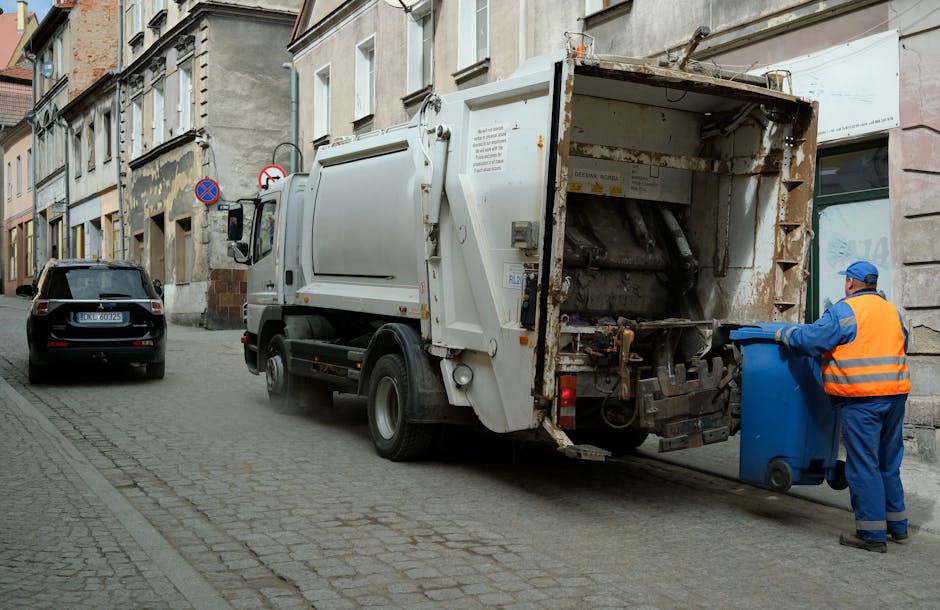
If you have an old mattress taking up space on or near Askew Road, you probably want it gone fast, without breaking any rules and without making a mess of the hallway on the way out. Fair enough. Mattress disposal sounds simple until you realise how awkward they are to move, how easy it is to damage walls or lift injuries, and how quickly an innocent-looking dump can become fly-tipping if it is left out the wrong way.
This guide explains Askew Road mattress disposal: legal and safe removal in plain English. You will learn what counts as lawful disposal in the UK, how safe removal usually works, what to avoid, and when a proper clearance service makes life much easier. If you are dealing with one mattress, a full bedroom refresh, or a flat clearance that has snowballed into "right, we need this sorted today", you are in the right place.
One thing people often underestimate: a mattress is not just bulky, it is often stubborn. It bends in the wrong places, catches on stair rails, and seems to grow heavier after midnight. So let's break the whole thing down properly.
Why Askew Road mattress disposal matters
Mattress disposal matters because it sits at the intersection of three things people do not want to get wrong: the law, safety, and neighbourly common sense. Leave a mattress on the street at the wrong time, and it can quickly become an eyesore, a nuisance, or a waste issue. Move it badly, and you may end up with a strained back or a scratched staircase. Dispose of it through the wrong route, and you may be dealing with avoidable hassle later.
In a busy London setting like Askew Road, timing and access matter too. Narrow communal entrances, parked cars, shared front steps, and tight stairwells can turn a small job into a larger one. Add a wet evening or the Monday morning rush, and the job gets fiddly fast. That is why safe, planned removal is usually better than the improvised "let's just drag it out" approach. To be fair, the improvised approach rarely ends well.
There is also the environmental angle. Mattresses are large items made from mixed materials, and handling them responsibly is part of good waste practice. A proper disposal route gives the item a better chance of being processed correctly rather than dumped illegally.
Expert summary: If a mattress is bulky, hard to carry, or likely to be left outside for collection, plan the removal first. The safest option is the one that protects people, property, and the local environment at the same time.
If you are clearing more than one item, it can help to think beyond the mattress itself. A mattress removal often sits alongside a wider furniture refresh, and services such as furniture disposal, furniture clearance, or even a broader home clearance can simplify the whole job in one visit.
How Askew Road mattress disposal: legal and safe removal works
At a practical level, mattress disposal is about getting the item from your property to a lawful end point without causing harm or breaching local waste expectations. That sounds formal, but the process is pretty straightforward when done properly.
Typical removal flow
- Assess the mattress - size, condition, access route, and whether it needs two people or protective handling.
- Choose the disposal method - council collection, reuse if suitable, or a professional waste removal service.
- Prepare the route - clear hallways, protect corners, and make sure the mattress can be carried without snagging.
- Move it safely - use correct lifting technique, ideally with a second person for larger mattresses.
- Hand it over to the correct disposal stream - so it can be dealt with appropriately, rather than abandoned or mishandled.
That is the ideal version, anyway. In real life, people often realise they need a plan only when the mattress is halfway down the stairs and stuck. You can probably picture the scene.
Legal and safe removal usually means the item is passed to a licensed waste carrier or a legitimate collection route. If a third party is removing it for you, you should be reasonably confident they are taking responsibility for the waste properly. If you are doing it yourself, you still need to make sure you are not leaving it in a place where it could be treated as fly-tipping.
For households in shared buildings or flats, the access question matters as much as the disposal route. A mattress removal from a top-floor flat is very different from taking one from a ground-floor bedroom. If the job is part of a larger clear-out, a flat clearance service may be more practical than arranging separate disposal trips for each item.
Key Benefits and Practical Advantages
There are some obvious benefits to getting mattress disposal right, but a few less obvious ones are worth highlighting too.
- Less physical risk - proper lifting and handling reduces the chance of strains, slips, and knocks.
- Less damage to your home - stair rails, walls, flooring, and doors are all easier to protect when the job is planned.
- Less stress - you are not wondering where the mattress should go or whether it has been left out incorrectly.
- Cleaner surroundings - the mattress is removed promptly rather than hanging around on a landing or pavement.
- Better waste handling - responsible disposal improves the chances of proper sorting and recycling where feasible.
- Time saved - especially helpful if you are dealing with move-out pressure, a tenancy change, or a tight refurbishment deadline.
Another quiet advantage: it helps maintain good relationships in shared buildings. No one enjoys a mattress blocking the entryway for two days because someone "meant to deal with it later". That later often arrives as a complaint. A polite one, perhaps, but still.
If your mattress disposal is linked to other bulky items, a wider waste removal or house clearance approach can be more efficient and sometimes better value overall. It also reduces the number of times people have to carry things downstairs. Which, let's face it, is often the real objective.
Who This Is For and When It Makes Sense
Askew Road mattress disposal: legal and safe removal makes sense for a wide range of people and situations. It is not just for landlords or people moving house. In practice, the people who need it most are often the ones with limited time, awkward access, or too much to carry alone.
Common situations
- Homeowners replacing an old mattress after a bedroom upgrade or home refresh.
- Tenants moving out who need the old mattress removed before inspection day.
- Landlords and letting agents clearing a property between occupancies.
- Families dealing with a damaged or stained mattress that cannot be reused.
- People with limited lifting ability who should not attempt to move bulky items alone.
- Households with no suitable vehicle for transporting a large mattress to a disposal point.
- Anyone managing a full room reset where the mattress is only one part of the job.
It also makes sense when you are balancing practical time pressures. A mattress can be fine to live with for one extra week if it is in a spare room, but not if it is blocking a hallway or sitting in a damp corner because you have nowhere else to put it. Truth be told, once a mattress becomes an obstacle, it starts to feel bigger every day.
Business settings are a separate consideration. Offices, guest accommodation, and rented workspaces may need mattress disposal as part of a broader business waste removal plan, especially where access, record-keeping, or timing matters more than it does in a one-off household job.
Step-by-Step Guidance
Here is a sensible, low-drama way to handle mattress disposal safely.
1. Check the mattress condition
If the mattress is clean, dry, and still usable, consider whether it could be donated or repurposed locally. If it is stained, sagging, damp, broken, or infested, disposal is usually the more realistic route. Be honest here; mattresses are not always sentimental, even when we try to be.
2. Measure access before moving
Check door widths, stair turns, lift dimensions, and whether the mattress can be bent safely without damaging it or the property. Some mattresses move easily with a simple turn; others need two people and a fair bit of patience.
3. Clear the route
Move shoes, lamps, loose rugs, pet bowls, and anything else that could catch your foot or the mattress corners. This takes five minutes and can save a lot of faff.
4. Protect the property
Use blankets, corner protection, or a sheet if you are worried about scraping paintwork. In narrow hallways, a helper standing ahead to guide the item can be worth their weight in tea.
5. Lift with control
Keep the mattress close to your body, bend at the knees, and avoid twisting while carrying. If it is too awkward, stop. There is no prize for pretending you can manage a king-size mattress on your own.
6. Arrange legal disposal
Use a lawful route that suits the size, timing, and condition of the mattress. If you need a broader clean-out as well, services like furniture clearance or furniture disposal can help consolidate the job into a single visit.
7. Confirm it has been taken away properly
After collection, make sure the mattress is gone from your premises and not just moved to a shared area or left outside in a way that could create a nuisance. Small point, but an important one.
Expert Tips for Better Results
A few practical habits make mattress disposal much easier and safer.
- Book for a daylight slot if you can - you will see obstacles more clearly and lift more confidently.
- Use a mattress bag or wrap if the item is dirty - this helps keep stairwells and vehicle interiors cleaner.
- Pair the job with other bulky items - one organised clearance is usually better than three separate mini-missions.
- Ask about access before collection day - if the item needs to come from an upstairs room, mention it up front.
- Keep children and pets out of the route - mattresses wobble, and small feet do not need to be anywhere near that.
- Take a second look at recycling or reuse potential - if the mattress is still in good condition, disposal may not be the only route.
A slightly underrated tip: prepare the mattress before the collection time arrives. Even rolling back bedding, removing protectors, and taking the pillows off the bed frame gives you a smoother start. It sounds minor, but it changes the whole rhythm of the job.
If you are dealing with other stored items in the property, especially from lofts or garages, it can make sense to combine the job with loft clearance or garage clearance. That way, the mattress does not become the one awkward item that keeps hanging around.
Common Mistakes to Avoid
Most mattress disposal problems are predictable. That is the annoying part. The good news is they are also avoidable.
- Leaving the mattress outside too early - this can create risk, inconvenience neighbours, and invite weather damage.
- Assuming all disposal routes are equal - they are not. A lawful route is different from a convenient shortcut.
- Trying to carry it solo when it is clearly a two-person job - pride is expensive when backs are involved.
- Forgetting about access bottlenecks - the last turn on the stairs is often where things go wrong.
- Not checking the collection arrangement - mismatched timing causes missed pickups and unnecessary delays.
- Ignoring local building rules - some blocks have specific guidance about placing bulky waste in communal areas.
One subtle mistake is focusing only on disposal and not on safety. People sometimes ask, "Can I just get it out the door?" Well, maybe. But if the route is tight, the mattress is large, or the floor is slippery, that question needs a better answer than optimism.
Tools, Resources and Recommendations
You do not need specialist equipment for every mattress removal, but a few simple tools can make the process cleaner and safer.
- Work gloves for better grip and to avoid scraping your hands.
- Strong mattress bag or protective wrap if the item is dusty or stained.
- Blankets or corner protectors to shield walls and frames.
- A helper for larger mattresses or awkward stairs.
- Tape or straps if you need to keep the item tidy during movement.
- Clear communication with whoever is removing it, especially in flats or shared buildings.
For trusted support, look for a provider that explains how they handle waste, safety, and customer care. Pages such as health and safety policy, insurance and safety, and recycling and sustainability are helpful signals that a business thinks beyond the quick pickup.
You may also want to review practical information on pricing and quotes before booking, especially if the mattress is part of a larger removal. A transparent quote process tends to save headaches later. No one likes surprise add-ons, not really.
Law, Compliance, Standards, or Best Practice
When mattress disposal is described as legal and safe removal, the legal part is mainly about ensuring the waste is handled by a lawful route and not left, dumped, or transferred carelessly. In the UK, householders still have a responsibility to be sensible about how waste leaves their property. If you hand the mattress to someone else, you should use a route you trust and avoid anyone who seems vague about where the waste is going.
Best practice is straightforward: keep waste contained, move it safely, and use a responsible disposal pathway. In shared streets or communal housing, it is especially important not to put bulky items in a position where they block access or appear abandoned. That is where misunderstandings turn into actual complaints.
For professional removals, a few standards matter in everyday terms even when they are not written on the box:
- Safe lifting and handling to reduce injury risk.
- A clear disposal trail so the item is not casually abandoned.
- Appropriate insurance and business practices if a third party is doing the work.
- Respect for property and neighbours during collection.
If the mattress is part of construction, refurbishment, or a strip-out, the waste stream may also overlap with builders waste clearance. That matters because mixed waste should be sorted and handled with care, not bundled into one vague pile and hoped for.
The safest approach is usually the least dramatic one. Proper planning, clear communication, and a lawful collection method. Simple, really - though not always easy when you are staring at a mattress at 8.15 on a damp Tuesday morning.
Options, Methods, or Comparison Table
There is more than one way to get rid of a mattress. The right option depends on condition, access, timing, and how much effort you want to spend.
| Method | Best for | Pros | Limitations |
|---|---|---|---|
| Council-style bulky waste collection | Households with enough time to book ahead | Often straightforward and familiar | May involve waiting, specific collection rules, and limited flexibility |
| Professional waste removal | Urgent jobs, awkward access, or multiple items | Convenient, quicker, less lifting for you | Usually more expensive than doing it yourself |
| Reuse or donation route | Mattresses in genuinely good condition | Waste reduction, potential social value | Strict acceptance standards; many mattresses will not qualify |
| Self-transport to an approved disposal point | People with a suitable vehicle and time | Control over timing and handling | Heavy lifting, vehicle space, and disposal-site rules to manage |
In day-to-day terms, the best option is the one you can carry out safely and without leaving the mattress hanging around for days. If you are already planning a bigger tidy-up, combining mattress removal with a house clearance or even a targeted home clearance can be more practical than piecing everything out separately.
Case Study or Real-World Example
Imagine a typical Askew Road flat: top floor, narrow staircase, one old double mattress, and a moving deadline the following morning. The mattress has been sitting in the bedroom for weeks because no one wanted to wrestle it downstairs. By the time the decision is made, it is already dark, the stairs are awkward, and the hallway has a sharp corner halfway down. Not ideal.
Instead of forcing it through at speed, the resident clears the route first, removes the bedding, protects the wall corners, and arranges a proper removal window. Two people handle the carry, pausing at the turn, rather than trying to muscle it through in one go. The mattress leaves without marking the paintwork, no one gets winded, and the flat is ready for the next stage of the move. Nothing dramatic happened. Which, in this line of work, is usually the best sign.
That is the real point: a good disposal plan is often invisible. You only notice it because nothing went wrong.
Practical Checklist
Use this quick checklist before you arrange mattress removal.
- Confirm the mattress is ready to go.
- Check whether it can be reused or should be treated as waste.
- Measure doors, stairs, and any tight corners.
- Clear the path from bedroom to exit.
- Protect walls, frames, and floors where needed.
- Decide whether you need one person or two for lifting.
- Choose a legal disposal route.
- Keep pets and children out of the way.
- Make sure the mattress is removed promptly and not left outside unmanaged.
- For larger jobs, consider bundling the mattress with other furniture or room contents.
If you are also clearing other bulky pieces, services such as furniture clearance and flat clearance can help keep everything coordinated.
Conclusion
Askew Road mattress disposal: legal and safe removal is not just about getting rid of an unwanted item. It is about doing it in a way that protects your home, your back, your neighbours, and the wider environment. The safest route is the one that feels calm, organised, and properly handled, even if the mattress itself is anything but calm or organised.
If the item is small enough to move easily and you have a lawful route ready, simple disposal may be fine. If the mattress is bulky, awkward, or part of a bigger clear-out, a professional approach often saves time and reduces risk. That little bit of planning up front can make the whole thing feel far less like a chore.
Get a free quote today and see how much you can save.
And honestly, once the mattress is gone and the room feels open again, the whole place breathes a bit easier. That's a good feeling.
Frequently Asked Questions
What is the safest way to dispose of a mattress on Askew Road?
The safest way is to use a lawful removal method with proper lifting, clear access, and a responsible disposal route. If the mattress is large or the stairs are awkward, get help rather than forcing it.
Can I leave a mattress outside for collection?
Only if the collection has been arranged properly and the mattress is placed in line with the relevant collection instructions. Leaving it out too early or without a proper arrangement can cause problems.
Is it illegal to dump a mattress in the street?
Yes, abandoning a mattress in the street or leaving it where it becomes fly-tipping or a nuisance can lead to issues. Use a proper disposal route instead.
Can an old mattress be recycled?
Sometimes, yes. Mattresses are made from mixed materials, so recycling depends on condition and the handling route. Not every mattress will qualify, but responsible disposal improves the chance of recovery.
How do I know if my mattress is still reusable?
Check for sagging, stains, damp, tears, odours, or structural damage. If it is clean, dry, and in good condition, reuse may be possible. If not, disposal is usually the better choice.
Do I need two people to move a mattress?
For larger mattresses, stairs, or tight corners, yes, two people is usually the sensible option. Even when it seems manageable, an extra pair of hands can prevent damage and strain.
What if I live in a flat with a narrow staircase?
Measure the route first and clear the path completely. In tighter properties, a professional clearance service can be much easier than trying to angle the mattress through by yourself.
How much does mattress disposal usually cost?
Costs vary depending on access, quantity, urgency, and whether the mattress is being removed with other items. A quote-based approach is best, because a one-off mattress job is very different from a fuller clearance.
Can a mattress be removed with other furniture at the same time?
Absolutely. In fact, it often makes sense to combine mattress removal with other bulky items so the job is more efficient. Furniture disposal or home clearance can be a practical fit.
What should I do if the mattress is damp or infested?
Handle it carefully, keep it contained, and avoid dragging it through the property unnecessarily. A contained, responsible removal route is especially important when hygiene is a concern.
Do I need to prepare the mattress before collection?
Yes, a little preparation helps. Remove bedding, clear the route, and make sure access is ready. It keeps the removal safer and faster, which is never a bad thing.
What is the best option if I'm clearing a whole room, not just a mattress?
If there are multiple items, a broader clearance is usually better value and less stressful. Depending on the situation, furniture clearance, flat clearance, or house clearance may be the most sensible route.