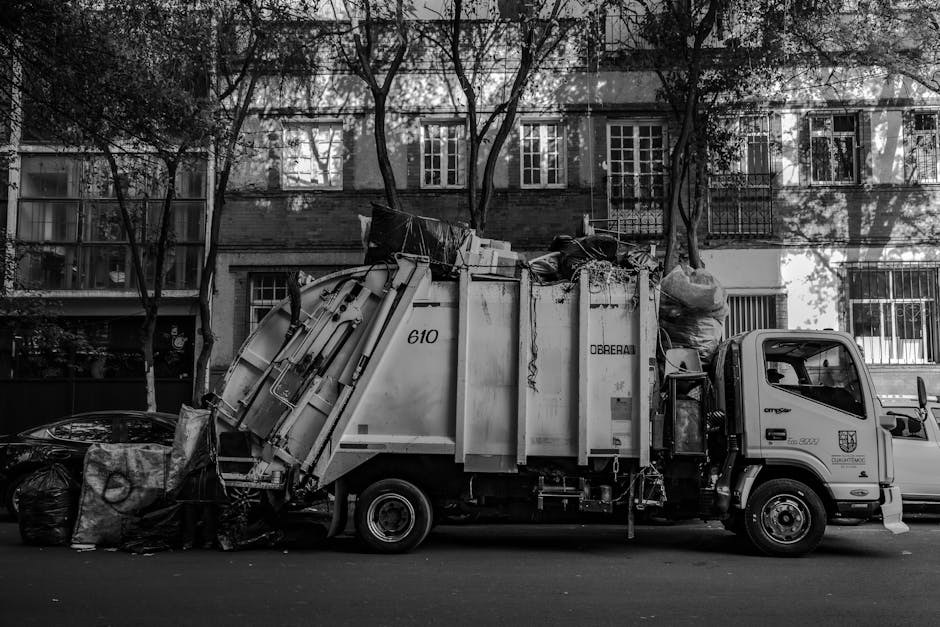
Best bulky waste pickup near Westfield London, Shepherds Bush
If you need bulky waste removed near Westfield London, Shepherds Bush, you probably want three things: a fast collection, a fair price, and no stress about where everything ends up. That is exactly where a good local bulky waste pickup service earns its keep. Large items are awkward, heavy, and rarely fit neatly into a busy day. Sofas, wardrobes, mattresses, broken appliances, office chairs, gym equipment, old shop fittings, and renovation leftovers all have a habit of getting in the way at the worst possible moment.
The best bulky waste pickup near Westfield London, Shepherds Bush is not just about lifting heavy items. It is about punctuality, safe handling, responsible disposal, and clear communication from the first quote to the final sweep-up. In a busy part of London, that matters. Narrow access, loading restrictions, traffic, flats without lifts, and mixed household or business waste can turn a simple job into a messy one if the service is not prepared.
This guide explains how bulky waste pickup works, what good service looks like, how to compare options, and what to avoid if you want a smooth collection. If you are planning a larger clear-out, you may also find it useful to look at related services such as furniture disposal, flat clearance, or more general waste removal depending on what needs to go.
Quick takeaway: the best bulky waste pickup is the one that removes items safely, turns up when promised, gives a clear price, and disposes of waste responsibly without adding hassle to your day.
Table of Contents
- Why Best bulky waste pickup near Westfield London, Shepherds Bush Matters
- How Best bulky waste pickup near Westfield London, Shepherds Bush Works
- Key Benefits and Practical Advantages
- Who This Is For and When It Makes Sense
- Step-by-Step Guidance
- Expert Tips for Better Results
- Common Mistakes to Avoid
- Tools, Resources and Recommendations
- Law, Compliance, Standards, or Best Practice
- Options, Methods, or Comparison Table
- Case Study or Real-World Example
- Practical Checklist
- Conclusion
- Frequently Asked Questions
Why Best bulky waste pickup near Westfield London, Shepherds Bush Matters
Bulky waste is different from ordinary bin waste. It takes up space quickly, is often too heavy for one person to move safely, and can create hazards in hallways, stairwells, gardens, loading bays, and shared entrances. Near Westfield London, Shepherds Bush, those problems are amplified by the area's pace and density. A single sofa or mattress can block access in a flat; a stack of old fixtures can delay a shop refit; a garage full of broken items can become a storage problem that never seems to shrink on its own.
The reason this topic matters is simple: bulky waste does not usually fit into everyday routines. You do not want to carry it through a crowded building at the wrong time of day, and you certainly do not want to leave it sitting outside while you try to figure out council rules, vehicle access, or who can legally take it. A proper local pickup service gives you a structured, predictable way to get rid of large items without turning the process into a weekend-long headache.
There is also a practical local angle. Around Westfield London and Shepherds Bush, access can be tight, parking can be limited, and timings often need to be coordinated carefully. A service that already works in the area should understand those realities. That usually means faster collections, fewer delays, and less risk of awkward surprises. If you are clearing a home, you might also compare home clearance or house clearance options when the job is bigger than a single item or two.
For businesses, bulky waste pickup is just as important. Offices, retail units, and serviced spaces often generate old desks, shelving, display units, packaging, and redundant equipment that cannot simply be left in a corridor. In those cases, a specialist approach is usually cleaner and more efficient than trying to cobble together ad hoc disposal.
How Best bulky waste pickup near Westfield London, Shepherds Bush Works
Most bulky waste pickup jobs follow a fairly simple sequence, although the exact details depend on the items, access, and volume involved. The process should be straightforward enough that you know what happens next at every stage.
1. You request a quote or enquiry
Start by describing what needs to be removed. Good services will ask for item type, approximate quantity, location, and access details. Photos are often helpful because they reduce guesswork. If you are clearing mixed items, mention that early. A mattress and a wardrobe are not the same as a dismantled shelving unit and a damaged appliance.
If you want a clearer starting point for pricing, a page like pricing and quotes can help you understand how providers typically frame estimates.
2. The provider assesses volume and access
Bulky waste is usually priced and planned around space, labour, and loading time. That means access matters. Are the items on the ground floor? Is there a lift? Is the furniture already at the kerb? Can a vehicle stop nearby? In Shepherds Bush, these questions are not minor details; they influence how quickly the job can be done and how many crew members may be needed.
3. A collection slot is agreed
Once the job is understood, a collection time is set. The best services are realistic rather than overly optimistic. They account for local traffic, building access, and the possibility that items may need dismantling on site. That little bit of planning saves everyone time later.
4. The team arrives and removes the items
On the day, the crew should confirm the items, carry them out safely, and protect walls, floors, and shared areas where appropriate. A well-run pickup looks calm and methodical. There is no drama, just steady work and a short final check to ensure nothing is left behind.
5. Waste is sorted and taken for disposal or recycling
Responsible disposal is a major part of the service. Some items can be reused, some can be recycled, and some must be processed as residual waste. If you care about where the waste goes, ask questions before booking. A provider with a stronger sustainability approach will usually explain this clearly and avoid vague promises. You can also review a company's recycling and sustainability information for added reassurance.
Key Benefits and Practical Advantages
Why choose a dedicated bulky waste pickup rather than trying to handle everything yourself? Because the benefits are not just about saving effort. They affect safety, speed, convenience, and even the quality of the final result.
- Less physical strain: heavy lifting is one of the most common causes of avoidable injury during clear-outs.
- Faster turnaround: a good team can remove several large items in one visit.
- Cleaner spaces: once the bulky waste is gone, the room becomes usable again.
- More predictable logistics: you do not have to hire a van, recruit helpers, or guess disposal locations.
- Better disposal outcomes: responsible operators will sort for recycling and reuse where practical.
- Useful for mixed projects: one collection can often combine furniture, white goods, and light clear-out waste.
There is also a quieter benefit that people tend to appreciate only after the job is done: reduced mental clutter. A room full of broken or unwanted items can make a space feel stalled. Clear it out, and the whole place usually feels more manageable. Truth be told, that can be more valuable than it sounds.
For larger furniture loads, it is often worth pairing removal with a focused service like furniture clearance or office clearance if the items come from a workplace or shared commercial space.
Who This Is For and When It Makes Sense
Bulky waste pickup is useful for far more people than first-time home movers. It is a practical service for anyone who needs large items removed without the complications of DIY transport.
Homeowners and renters
If you are replacing furniture, clearing a spare room, emptying a garage, or dealing with end-of-tenancy rubbish, a pickup saves time and reduces stress. It is especially handy for flats, where getting large objects out of the building is often the hardest part.
Landlords and letting agents
Between tenancies, properties can accumulate furniture, mattresses, damaged appliances, and random household clutter. A reliable bulky waste pickup helps you turn over the space faster and prepare for cleaning or refurbishment.
Shops and offices
Retail and office environments regularly need removal of outdated stock, fixtures, shelving, desks, filing units, and other large items. In those cases, commercial waste handling matters as much as speed. You may want to look at business waste removal if the pickup is tied to day-to-day operations rather than a one-off home job.
People clearing inherited or long-unused spaces
Lofts, garages, and storage rooms are common pressure points. A lot of people put off those areas for years because the task looks bigger than it is. A focused pickup can make the job feel far more achievable. If that sounds familiar, services such as loft clearance or garage clearance may be the most efficient route.
When it makes sense to book now
- You have multiple large items blocking access or storage.
- You need the space cleared before a delivery, move, or renovation.
- You cannot safely move items yourself.
- You want disposal handled properly without researching every step.
- You are dealing with mixed waste and need a single coordinated pickup.
Step-by-Step Guidance
If you want the process to go smoothly, a little preparation goes a long way. The best bulky waste collections tend to be the ones where the client gives clear information up front. Here is the practical way to approach it.
- List everything you want removed. Be specific. "Old furniture" is less helpful than "two wardrobes, one mattress, one broken desk, and a TV stand."
- Take photos from a few angles. This helps the provider judge volume and access.
- Check access routes. Measure doorways, stair turns, lifts, and any tight corners if you suspect there may be issues.
- Separate items you want to keep. This sounds obvious, but it is easy to misjudge in a cluttered room.
- Ask how the pricing is structured. Is it per load, per item, or based on volume? Clarity matters.
- Confirm what can and cannot be taken. Some materials or items may need special handling.
- Prepare the space if possible. Move small loose items away from the main route so the team can work efficiently.
- Check completion before the vehicle leaves. A quick final walk-through avoids awkward omissions.
A small but useful tip: if you are dealing with multiple categories of waste, group them in advance. Furniture together, light construction waste together, and garden waste together. This can make the quote more accurate and the collection faster. If your project includes renovation debris, a dedicated builders waste clearance service may fit better than a generic pickup.
Expert Tips for Better Results
There are a few habits that consistently improve bulky waste collections. They are not complicated, but they separate a smooth job from a frustrating one.
Be precise about access
Access details are often the hidden source of delays. Mention whether the property is on an upper floor, whether there is a lift, whether parking is restricted, and whether the collection point is inside or outside. A provider can plan far more accurately with those details.
Ask what happens to reusable items
If the service prioritises reuse, some furniture or household goods may be diverted from disposal where possible. This is especially relevant for decent-condition pieces from moves, refurbishments, or office upgrades. It is a sensible question, not an awkward one.
Choose timing that matches your building
In busy areas near Westfield London, Shepherds Bush, timing can make a big difference. Midday traffic, loading access, and building peak times can all affect how long the job takes. Early planning usually helps more than a rushed same-day arrangement.
Get the quote scope right
Make sure the quote covers the actual job, not just a rough guess. If you know there may be more items than first expected, say so. Most issues in bulky waste removal happen because the original scope was too vague.
Keep bulky waste dry if possible
This is a small detail, but it matters. Wet mattresses, soaked chipboard, and waterlogged cardboard are harder to handle and can become heavier than expected. If weather is poor, a simple cover or temporary indoor staging can help.
Think about the next step after pickup
Once the waste is gone, what comes next? A clean room, a sale, decorating, a sublet, a refit, or a new purchase? Knowing the next step helps you avoid leaving behind awkward odds and ends. It also helps determine whether you need a simple pickup or a broader clearance service such as house clearance or flat clearance.
Common Mistakes to Avoid
Most bulky waste problems are avoidable. The same handful of mistakes appear again and again, and they are all fairly easy to sidestep once you know what to look for.
- Underestimating volume: a few "big items" can become a much bigger load than expected once everything is stacked and loaded.
- Ignoring access issues: stairs, parking, and tight entrances can add time if they are not mentioned early.
- Mixing everything together: some items may need different handling, and a mixed pile can complicate the job.
- Assuming everything can go the same place: not all waste streams are treated alike.
- Booking on price alone: the cheapest quote is not always the best value if it leads to delays or surprise charges.
- Leaving the area unprepared: loose items and blocked pathways slow the team down.
- Not checking what is included: always confirm whether lifting, loading, and disposal are all part of the quote.
One easy way to avoid trouble is to treat the first enquiry like a proper brief. The more clearly you describe the job, the better the collection will usually go. That is especially true for awkward items like oversized sofas, bed frames, or dismantled office furniture.
Tools, Resources and Recommendations
You do not need specialist equipment to arrange a bulky waste pickup, but a few basic tools and documents can make the process much easier.
| Tool or resource | Why it helps | Best use case |
|---|---|---|
| Phone camera | Captures item size, condition, and access points | Getting accurate quotes quickly |
| Tape measure | Checks doorways, stair turns, and large item dimensions | Flats, lofts, and narrow access areas |
| Simple item list | Keeps the enquiry clear and complete | Mixed household or office clear-outs |
| Copy of building rules | Helps avoid collection-day access problems | Managed blocks and commercial buildings |
| Collection checklist | Reduces the chance of leaving something behind | Any multi-item pickup |
It also helps to know which related service is most suitable. If the job is mainly old sofas and chairs, furniture clearance may be the best fit. If it is a mixed domestic clear-out, home clearance may be more efficient. For business premises, office clearance can be the better choice because it is built around workspaces and commercial needs.
For trust and reassurance, it is sensible to check company information too. Pages such as about us, health and safety policy, and insurance and safety can tell you a lot about how a provider operates before you invite them onto your property.
Law, Compliance, Standards, or Best Practice
Bulky waste pickup is not just a convenience service; it also carries responsibilities. In the UK, waste should be handled by responsible operators who dispose of it properly and avoid fly-tipping or other poor practices. You do not need to become an expert in waste law to book a collection, but it is wise to understand a few basics.
First, always make sure the waste is being removed by a legitimate provider. If something looks suspiciously cheap, vague, or informal, ask more questions. Responsible waste handling matters because once waste leaves your property, you still want confidence that it is being managed properly.
Second, if the waste comes from a business, there may be additional expectations around record keeping, duty of care, and segregation of materials. The exact requirements depend on the situation, but a commercial provider should be able to explain the process clearly without overcomplicating it.
Third, items containing hazardous components, electrical parts, or special materials can require extra care. This does not mean they cannot be collected, but it does mean you should mention them early. A mattress, for example, is a normal bulky item; a damaged appliance with unusual contents may need a different approach.
Best practice is straightforward:
- describe the waste honestly
- confirm what the service will take
- ask how it will be handled afterwards
- keep records if the pickup is for a business or landlord role
- review relevant policy information before booking if you want extra reassurance
You can also check practical service pages such as terms and conditions and payment and security so you understand the booking process, what is included, and how your payment is handled.
Options, Methods, or Comparison Table
Not every bulky waste job needs the same approach. Sometimes a single-item pickup is enough. Sometimes a broader clearance is more efficient. The right option depends on what you are trying to achieve and how much sorting you want to do yourself.
| Option | Best for | Pros | Watch out for |
|---|---|---|---|
| Single bulky item pickup | One sofa, mattress, appliance, or similar item | Simple, quick, focused | Can be less efficient if you have several items |
| Furniture-focused removal | Chairs, tables, wardrobes, beds, cabinets | Good for homes and furnished offices | May not suit mixed waste loads |
| Full room or property clearance | Clear-outs after moves, refurbishments, or downsizing | Covers more in one visit | Needs clearer planning and access details |
| Commercial waste removal | Shops, offices, and business premises | More suited to workplace needs | Should be planned around trading hours |
If your job is mostly old household furniture, a linked service such as furniture disposal may be more suitable than a general clearance. If the items are part of a wider property reset, the broader approach often saves time. In practice, the "best" method is the one that matches the actual job rather than the one that sounds most convenient in theory.
Case Study or Real-World Example
Consider a typical Shepherds Bush scenario. A couple living near Westfield London are replacing a sofa, two armchairs, a coffee table, and a dismantled wardrobe before redecorating their living room. At first glance, it looks like a simple job. But once they check the lift size, narrow corridor, and building timing rules, it becomes obvious that a standard rubbish run would be awkward.
They arrange a bulky waste pickup and send photos of each item, along with a quick note about access. The provider confirms what can be taken, explains the likely loading time, and schedules the collection for a slot that avoids the building's busiest period. On the day, the team removes everything in one visit, protects the communal areas, and leaves the room ready for the decorators.
What made the difference? Not luck. Planning.
The same approach works for office jobs too. A small business near the shopping centre may need old desks, broken chairs, and packaging removed after a refit. If the business gets the timing and scope right, the pickup is almost invisible to customers and staff. If it does not, the waste sits around, the space feels unfinished, and the disruption lingers.
That is why a good bulky waste service is more than transport. It is part logistics, part problem-solving, and part reassurance.
Practical Checklist
Use this checklist before you book your collection. It keeps the process focused and helps avoid last-minute surprises.
- Have you listed every item that needs removing?
- Have you taken clear photos from more than one angle?
- Do you know whether the items are upstairs, downstairs, or outside?
- Have you checked for lifts, stairs, tight turns, or parking limits?
- Do you know whether the waste is domestic, business, furniture, builders', or mixed?
- Have you asked what is included in the quoted price?
- Have you confirmed the collection date and estimated arrival window?
- Have you separated the items you want to keep?
- Are there any fragile, awkward, or heavy items that need special handling?
- Have you reviewed the provider's relevant service and policy pages?
If you are still weighing up your options, start with the most relevant service page for your waste type and then move to contact us for a clearer quote. That usually gets you to the right answer faster than open-ended searching.
Conclusion
Choosing the best bulky waste pickup near Westfield London, Shepherds Bush is really about choosing a service that understands local access, handles heavy items safely, and keeps the process simple from start to finish. The right provider will save you time, reduce risk, and remove the kind of clutter that tends to hang around far too long.
Whether you are clearing a flat, replacing old furniture, sorting out a garage, or removing business waste, the formula is the same: be clear about what needs to go, ask the right questions, and choose a team that treats the job properly. That approach gives you a better quote, a smoother collection, and fewer headaches on the day.
Get a free quote today and see how much you can save.
For more about the team behind the service, you can also visit about us and check the company's recycling and sustainability approach before you book.
Frequently Asked Questions
What counts as bulky waste near Westfield London, Shepherds Bush?
Bulky waste usually means large items that are difficult to move or unsuitable for regular bins, such as sofas, beds, wardrobes, tables, mattresses, appliances, and similar household or business items.
Is bulky waste pickup better than hiring a van myself?
If you only have one easy item and good access, DIY disposal may be workable. For heavier, awkward, or multi-item loads, a pickup service is usually safer, quicker, and less stressful.
How do I know if I need furniture clearance instead of general waste removal?
If most of the items are furniture, a furniture-specific service is often the better fit. If the load includes mixed waste, household clutter, or other non-furniture items, a broader removal service may be more efficient.
Can bulky waste be collected from flats and upper floors?
Yes, in many cases it can. The key issue is access. Stairs, lifts, corridor width, and parking all affect planning, so share those details early when requesting a quote.
What should I do before the collection team arrives?
Separate the items you want removed, clear a path, and keep any valuables or keepers out of the way. If possible, take photos and confirm access instructions before the appointment.
How long does bulky waste pickup usually take?
Small collections can be very quick, while larger or more complex jobs may take longer depending on the number of items, access, and whether dismantling is needed on site.
Can office bulky waste be removed in the same way as household items?
Often yes, but workplace waste may involve different handling expectations, especially for desks, chairs, filing units, and equipment. For business premises, a dedicated office or business service is usually more appropriate.
What affects the cost of bulky waste pickup?
Typical factors include the volume of waste, item type, access difficulty, labour needed, and the disposal route. A clear description and photos usually help produce a more accurate quote.
Is it okay to mix furniture with garden or builders waste?
Sometimes mixed loads are accepted, but not always. Different waste streams may need different handling, so it is best to mention every item in advance rather than assuming everything can go together.
How can I check a provider is trustworthy?
Look for clear service descriptions, transparent pricing, policy information, and sensible answers to questions about safety, disposal, and payment. Helpful pages include terms, insurance, and company information.
Do I need to be present during the pickup?
Not always, but it is often helpful, especially if access is tricky or if the team needs confirmation about exactly what should be taken. For larger jobs, being available at the start can prevent confusion.
What happens to the waste after collection?
Responsible providers will sort items for reuse, recycling, or disposal depending on condition and material type. If this matters to you, ask about the provider's waste handling process before booking.