Westfield London Event Rubbish Planning for Shepherds Bush Teams
Planning an event near Westfield London sounds simple enough at first: book the space, sort the people, arrange the catering, and off you go. Then the rubbish starts building up. Packaging from deliveries, food waste after a busy shift, broken-down cardboard, display materials, disposable cups, bin bags that fill too quickly - it adds up fast. That is where Westfield London event rubbish planning for Shepherds Bush teams becomes one of the most useful parts of the whole job.
If you are coordinating a pop-up, store activation, seasonal campaign, market-style setup, or branded event in Shepherds Bush, rubbish planning is not a side task. It affects speed, cleanliness, safety, customer experience, and whether your team can actually keep the event running without chaos. In our experience, the best events are not just well designed; they are quietly well managed behind the scenes. The waste never gets the spotlight. Which is exactly the point.
This guide breaks down how to plan event rubbish removal properly, what Shepherds Bush teams need to think about, and how to avoid the usual headaches. You will also find a practical checklist, a comparison table, and a few grounded tips from the sort of real-world situations teams run into when a venue gets busy and the bins are filling quicker than expected.
- Why rubbish planning matters at Westfield London
- How the rubbish planning process works
- Benefits for event teams and operations
- Who needs this and when it makes sense
- Step-by-step guidance
- Expert tips for smoother waste handling
- Common mistakes to avoid
- Tools, resources and recommendations
- Law, compliance and best practice
- Options and comparison table
- Real-world example
- Practical checklist
- Frequently asked questions
Why Westfield London event rubbish planning for Shepherds Bush teams Matters
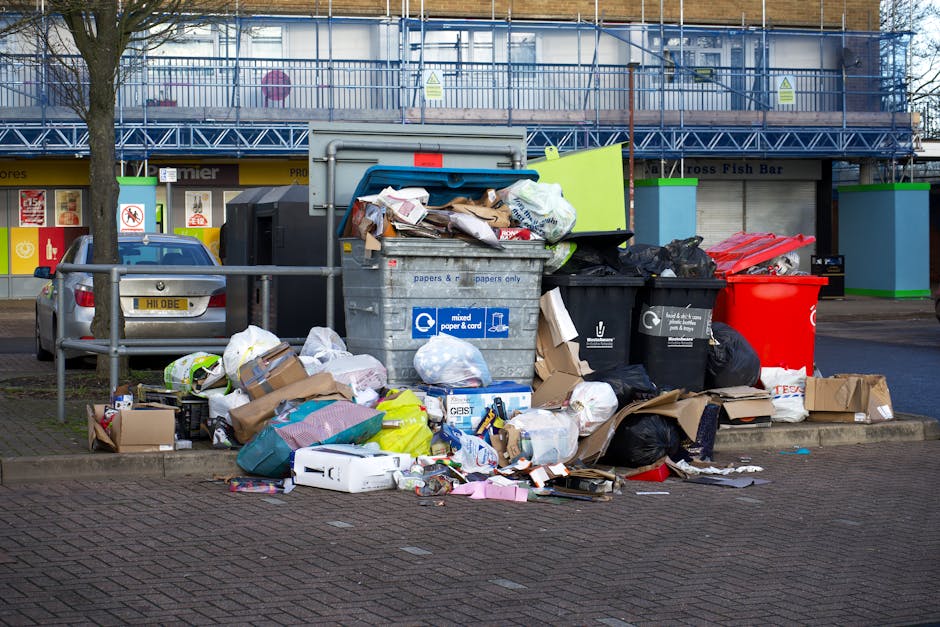
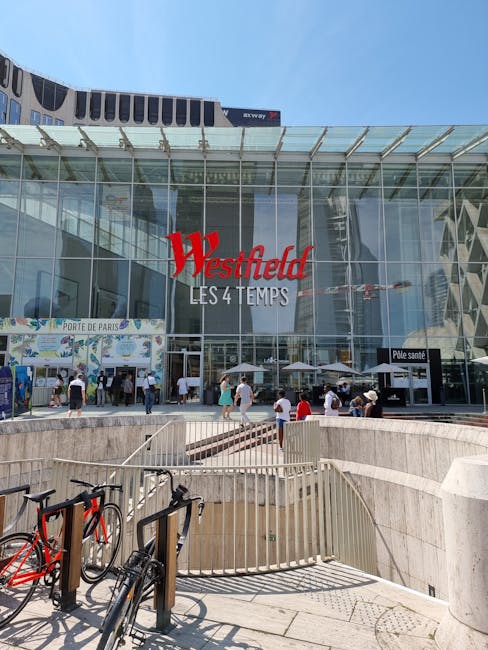
Westfield London is a high-footfall, fast-moving environment. That means rubbish does not stay neatly out of sight for long. One overfilled bin can create a mess, but a few poorly timed collections can create bottlenecks, trip risks, unhappy visitors, and a bad impression that is hard to shake. If your event team is working in Shepherds Bush, you are also dealing with local streets, tighter loading windows, and the reality that the last thing anyone wants is a pile of packaging waiting outside when the venue gets busy.
Good rubbish planning is really about control. You control where waste goes, who handles it, when it is removed, and how much space it takes up while the event is live. That sounds basic, but it is often where teams get caught out. A beautiful event can still feel scruffy if cardboard towers up behind a stand or food waste begins to smell by late afternoon. Not ideal. Not even close.
There is also a reputation piece here. Retail and event teams in Shepherds Bush tend to work in view of the public, and customers notice the small things. A tidy setup says you are organised. A clean back-of-house area says you are safe and on it. A trailing line of black bags at the wrong moment says something else entirely.
Then there is operational pressure. Staff are usually busy with customers, suppliers, stock replenishment, and last-minute fixes. If rubbish handling has not been thought through properly, someone ends up doing it in a rush. That is how mistakes happen: mixed waste streams, missed pickups, blocked access routes, or bulky items left behind after close. A little planning prevents that scramble.
How Westfield London event rubbish planning for Shepherds Bush teams Works
At its simplest, event rubbish planning means deciding what waste will be created, where it will be stored temporarily, how it will be separated, and how it will leave the site. For a Westfield London event, that normally needs to be mapped before opening day, not after the first bin is already full.
The process usually starts with a waste forecast. That is just a sensible estimate of what your event will produce. For example: cardboard from deliveries, soft packaging, food and drink waste, disposable serving items, promotional materials, damaged display pieces, and perhaps old stock packaging if the event involves a retail refresh. If your team is doing a product launch or a busy weekend activation, waste can appear in bursts rather than evenly. That is why the plan should be flexible.
Next comes segregation. In plain English, this means keeping different waste types separate where possible. Cardboard should not be soaked with food waste. Recyclable packaging should not be mixed with general rubbish if it can be avoided. Segregation makes collection easier, cleaner, and usually more efficient. It also helps avoid unnecessary disposal problems later.
Then there is the logistics side. Where will waste be held? Who clears it? How often? Who checks the bins before they overflow? These questions matter because event spaces near Westfield London are often constrained. Back corridors, storage areas, loading points, and shared access routes can all become awkward very quickly. One misplaced stack of packaging can cause a small domino effect. You know how it goes.
For many Shepherds Bush teams, the cleanest solution is a mix of scheduled waste removal and on-the-day overflow management. That might mean planned collections before opening, a midday sweep for high-traffic events, and a final clear-down after close. The right rhythm depends on your event size, but the principle stays the same: do not wait until the end if the event will create waste all day long.
Key Benefits and Practical Advantages
When rubbish planning is done properly, the benefits show up everywhere, not just in the bins.
- Cleaner guest areas: Visitors are more comfortable when waste is kept out of sight.
- Safer working conditions: Fewer trip hazards, sharper objects, and blocked routes.
- Better staff efficiency: Teams spend less time improvising and more time serving.
- Faster close-down: A tidy plan makes post-event clearance much smoother.
- Improved brand presentation: Clean surroundings support a more professional feel.
- Less waste confusion: Clear sorting reduces mix-ups and avoids extra handling later.
There is also a practical cost benefit. Let's face it, waste done badly tends to cost more than waste done properly. Not necessarily in obvious line items, but in staff time, extra mess, emergency handling, and the sort of half-last-minute fixes that always seem to happen when everyone is already under pressure. Proper planning keeps those little leaks under control.
Another advantage is predictability. If the team knows the waste route, the bin locations, and the collection timing, the day feels calmer. That calmer feeling matters. A lot. Especially in a busy shopping environment where every square metre counts and everyone is moving at pace.
For event leads, there is one more benefit that is easy to underestimate: confidence. When your rubbish plan is sorted, you can focus on the event itself. The merchandising, the customer flow, the launch moment, the issue with the display stand that wobbles a bit too much - all of that is easier to handle when waste is not quietly becoming the main problem in the background.
Who This Is For and When It Makes Sense
This kind of planning is useful for a wide range of Shepherds Bush teams, not just large event crews. If your work touches Westfield London, or any nearby venue where public-facing waste management matters, this is relevant.
- Retail activation teams running seasonal displays, launches, or branded pop-ups.
- Store managers handling extra packaging and customer-facing waste during peak periods.
- Marketing teams organising experiential events, sampling stalls, or roadshow-style setups.
- Operations leads coordinating stock intake, refreshes, and post-event clear-downs.
- Facilities and site teams looking after safe, tidy, and compliant waste handling.
- Temporary staffing coordinators who need simple instructions for event-day rubbish handling.
It makes particular sense when the event involves high volumes of cardboard, food service, product packaging, or bulky display items. It also matters if your working area is tight or shared. A small event in a cramped space can actually create more waste stress than a larger one with better back-of-house access. Slightly annoying, but true.
If your team has ever said, "We will just sort the rubbish on the day," that is usually the point where a proper plan pays off. The on-the-day approach sounds easy until delivery boxes pile up, the bins fill early, and someone is stuck carrying waste through a busy service area at the worst possible moment.
Step-by-Step Guidance
Here is a practical way to build a rubbish plan that actually works for a Westfield London event.
- Estimate the waste you will create. Look at the event format, guest numbers, deliveries, food service, and display materials. A launch day creates different waste from a two-day retail activation.
- List the waste types. Cardboard, mixed packaging, food waste, drinks containers, damaged props, and general rubbish may each need different handling.
- Check storage space. Identify where waste can sit temporarily without blocking access routes or creating a safety issue. Keep it realistic.
- Set a collection rhythm. Decide whether waste is removed once, several times, or continuously during the event. Busy events usually need more than one clear-out.
- Assign responsibility. Put a name next to the job. "Everyone" is not a name. Someone needs to check bins, someone needs to flag when they are full, and someone needs to manage the final sweep.
- Brief the team. Keep the instructions simple. People remember clear bins, clear routes, and clear timings. Long memos, not so much.
- Prepare for the close-down. The last 30 minutes of an event are often messy. Build in time for final waste removal, not just the sales wrap-up.
A useful habit is to walk the space before guests arrive and then again once the event is live. You will spot the pinch points much faster in person than on a floor plan. A box turns up where it should not. A bin is suddenly too far from the prep table. The cardboard cutter goes missing. Tiny issues, but they stack up.
And if you are working with a mixed team of permanent staff, contractors, and temporary support, keep the process very visual. Labels help. Colour-coded sacks help. Simple signs help. Anything that cuts down on second-guessing helps, frankly.
Expert Tips for Better Results
After enough event clear-ups, a few patterns become obvious. Here are the details that tend to make the biggest difference.
1. Treat waste as part of the event design. If you plan the layout without planning the rubbish route, you are only doing half the job. The waste route should be as deliberate as the customer route.
2. Keep cardboard under control early. Cardboard seems harmless until it becomes a mountain of folded boxes leaning against a wall. Break it down as soon as it is safe to do so.
3. Use smaller internal bins if needed. In tight areas, smaller bins that are emptied more often can work better than one large bin that becomes a black hole.
4. Make one person the waste lead. Not the only person touching waste, just the person who checks the plan is being followed. That role matters more than people think.
5. Plan for spillages and awkward items. Broken packaging, sticky food waste, wet cardboard, and damaged display parts need quick decisions. What happens if something cannot stay where it is?
6. Leave time for the final sweep. The event is not truly done until the waste is gone and the area is ready for handover. A lot of teams forget this in the rush, then regret it later.
One small but useful trick: keep a spare set of bags, gloves, and tape in a known place. It sounds dull. It is dull. But dull things save the day more often than clever things do. That is the truth of it.
Common Mistakes to Avoid
Most rubbish problems do not happen because teams are careless. They happen because the event gets busy and the waste plan was never detailed enough in the first place.
- Underestimating volume: Events always create more packaging and general waste than teams expect.
- No named owner: If nobody owns the waste plan, it tends to drift.
- Mixing waste streams: Once everything goes into one pile, sorting becomes slower and messier.
- Blocking access routes: Waste stacked in the wrong place can create safety and operational issues.
- Leaving the clear-down too late: Post-event rubbish always takes longer than people hope.
- Ignoring the back-of-house area: Guests may not see it, but staff absolutely feel the impact.
- Forgetting deliveries and packaging return flow: Boxes, wrap, and fillers often peak before the event even opens.
There is also a softer mistake: assuming the same plan works for every event. A daytime sampling stand is not the same as an evening launch with catering and install materials. The rubbish profile changes. The plan should too.
And yes, occasionally a team will say, "We will just put it by the back door for now." That sentence has caused more headaches than it has solved. Best avoided.
Tools, Resources and Recommendations
You do not need a complicated system to manage event rubbish well. Most teams do better with simple tools used consistently.
- Waste allocation sheet: A basic list of waste types, bin locations, and collection timings.
- Colour labels or signs: Helpful for separating cardboard, general waste, and recyclable packaging.
- Spare liners and ties: Small items, but they prevent delays when bins need changing fast.
- Handheld cutters and tape: Useful for flattening cardboard safely and keeping loose materials under control.
- Gloves and PPE: Important for safe handling, especially with sharp packaging edges or mixed waste.
- Collection timetable: A written plan showing when waste should be removed during the event day.
If you are comparing service types, it may help to look at broader waste removal support alongside project-specific options. For example, general waste removal support can be useful for mixed event waste, while business waste removal may suit recurring commercial operations that need a more regular approach. For teams dealing with larger items or post-installation debris, builders waste clearance can be relevant after fit-outs or stand builds.
For teams focused on cost control, a good place to think carefully is the relationship between collection frequency, waste volume, and staff time. Sometimes the cheapest-looking option turns into the most expensive one once the event starts running late. A bit awkward, but common enough.
If sustainability is part of your brief, it is worth aligning rubbish planning with your wider recycling approach. The page on recycling and sustainability can help frame those decisions more clearly.
Law, Compliance, Standards, or Best Practice
Waste handling for events in the UK sits within a practical framework of safety, duty of care, and sensible site management. You do not need to become a legal specialist to manage it well, but you do need to treat rubbish as something that carries responsibility. That is especially true where public access, staff handling, and mixed waste streams are involved.
In plain terms, good practice usually means using a reputable waste carrier, keeping waste secure, preventing nuisance, and handling materials in a way that protects staff and visitors. If your event creates commercial waste, you should be confident that it is being stored and collected appropriately, not left as an afterthought. If items are awkward, sharp, heavy, or contaminated, the handling standard should go up accordingly.
Health and safety matters too. Event rubbish often includes cardboard with sharp edges, broken display pieces, wet spills, and bin bags that become unexpectedly heavy. That is why basic controls matter: gloves, clear walkways, sensible lifting, and a plan for when a bin gets overfull. A small accident can slow an entire event, so it is worth getting the boring bits right.
For teams checking whether a provider is suitable, it can help to review their health and safety policy and insurance and safety information. If you want to understand what to expect from a responsible operator, the article on licensed waste carriers in Shepherds Bush is a useful reference point. It is the kind of detail that is easy to skip until you need it, then suddenly it matters a lot.
Key point: compliance is not just paperwork. It is the habit of handling waste safely, lawfully, and without creating avoidable problems for the venue or your team.
Options, Methods, or Comparison Table
Not every event needs the same waste solution. The right choice depends on volume, timing, space, and how hands-on your team can be. Here is a simple comparison that may help.
| Method | Best for | Strengths | Limitations |
|---|---|---|---|
| On-site bin management | Smaller activations and short events | Simple, quick, low setup burden | Can fail if waste builds up faster than expected |
| Scheduled rubbish removal | Medium events with steady waste flow | Predictable, tidy, easy to brief around | Needs good timing and route planning |
| Full-service clearance support | Large events, fit-outs, bulky items, high volumes | Less stress on the event team, faster clear-down | May be more than you need for a small activation |
| Reusable bag or sack-based approach | Projects with flexible waste movement | Handy in tight spaces, easy to stage | Not ideal for very heavy or bulky waste |
For many Shepherds Bush teams, the best option is a hybrid approach. Use on-site bin control during the event, then a more structured clearance at the end. That keeps the guest-facing area tidy without overcomplicating the setup.
If you are weighing service style against convenience, a related article on skip hire versus bagged rubbish removal may help you think through the trade-offs, especially where access is tight or the event footprint is limited.
Case Study or Real-World Example
Imagine a Westfield London retail team in Shepherds Bush preparing for a weekend product launch. Deliveries arrive in the morning, the display is assembled, branded materials are unpacked, and the team expects plenty of cardboard and packaging. Nothing unusual. But the event also includes a small sampling area, so food wrappers, drink cups, and napkins start piling up by early afternoon.
In the first hour, everything looks manageable. By lunchtime, the first bin is nearly full. Then a second delivery arrives, and suddenly the back area starts to feel crowded. Without a clear rubbish plan, the team would probably leave flattened boxes beside the storage shelf and deal with it later. That "later" becomes a problem when guests are moving through the space and staff need access to stock. You can almost feel the tension rising. Not dramatically, just enough to be annoying.
Instead, the team uses a simple waste routine: packaging is broken down as it appears, a named staff member checks bins every hour, and a clearance is arranged at the busiest point in the afternoon. The result is not glamorous, but it works. The event remains tidy, the staff avoid a scramble at close, and the final handover happens without anyone still wrestling with a pile of cardboard at the door.
That is the real value of rubbish planning. It does not make the event louder or flashier. It just removes friction. And sometimes that is the difference between a day that feels controlled and one that feels like you are constantly catching up.
Practical Checklist
Use this checklist before the event starts. It is deliberately simple, because simple gets used.
- Estimate the likely waste volume based on event size and duration.
- Identify the main waste types: cardboard, mixed packaging, food waste, and general rubbish.
- Confirm where waste will be stored temporarily.
- Make sure storage areas do not block routes, exits, or customer access.
- Assign one person to oversee waste checks during the event.
- Brief the team on bin locations and sorting rules.
- Prepare spare bin liners, ties, gloves, and tape.
- Plan collection times for the day and the final clear-down.
- Review any heavy, sharp, wet, or awkward items in advance.
- Confirm who signs off the space once the event is finished.
Quick practical note: if your checklist does not fit on one page, it may already be too complicated for an event day. Better to keep it lean and actually use it.
For teams wanting to improve the presentation side too, the article on cleaning and prepping for memorable gatherings is a helpful companion piece. It sits nicely alongside rubbish planning because the two jobs usually overlap in real life.
Get a free quote today and see how much you can save.
Conclusion
Westfield London event rubbish planning for Shepherds Bush teams is one of those tasks that only looks small until it goes wrong. Once you have a clear plan, though, the value is obvious. Your event runs cleaner, your staff feel more in control, your close-down is easier, and the whole space feels more professional from start to finish.
The best approach is usually straightforward: estimate the waste honestly, separate what you can, assign responsibility, and build in removal before the mess becomes visible. Do that, and the event has a much better rhythm. Less scrambling. Less guesswork. More room to focus on the people and the purpose of the day.
If you are putting together an event in Shepherds Bush and want the waste side to feel properly under control, start with the basics and keep it practical. It does not need to be complicated. It just needs to be thought through. And that, truth be told, is where the difference usually comes from.
Frequently Asked Questions
What is Westfield London event rubbish planning for Shepherds Bush teams?
It is the process of forecasting, sorting, storing, and removing waste created by events near Westfield London, with a focus on practical handling for Shepherds Bush teams.
Why do event teams need a rubbish plan at all?
Because waste builds up quickly in busy events. A plan helps keep guest areas tidy, reduces safety risks, and makes close-down much easier.
What kind of waste usually appears during a retail event?
Cardboard, packaging, plastic wrap, food and drink waste, disposable service items, broken display pieces, and sometimes bulky materials from installations or refreshes.
How early should rubbish planning start?
Ideally before the event begins, and in some cases while the event is still being planned. Waiting until the day of the event is usually too late for anything more than basic clean-up.
Do small events really need formal rubbish planning?
Yes, often they do. Smaller spaces can become messy faster than bigger ones because there is less room to absorb waste build-up.
What is the biggest mistake teams make?
Underestimating how much waste will be produced. The second biggest is not assigning one person to oversee the waste process.
Can waste be mixed together for convenience?
Sometimes it can, but it is usually better to separate waste where possible. Mixed waste is harder to handle, harder to sort later, and often less efficient overall.
How do Shepherds Bush teams handle bulky event waste?
They usually plan a more structured clearance, especially if there are display items, broken-down fixtures, or packaging that will not fit neatly into standard bins.
What should be included in a waste checklist?
Bin locations, waste types, collection times, the person responsible, spare liners and gloves, and the final close-down process.
Are there compliance issues to think about?
Yes. Waste should be handled safely, kept secure, and passed to a suitable waste carrier. Health and safety matters too, especially in public-facing spaces.
What if the event space has limited access?
Then rubbish planning becomes even more important. Tight access usually means more frequent clear-outs, better staging, and less room for error.
How can teams keep costs under control?
By matching the waste solution to the event size, avoiding emergency clearances, and preventing overfilled bins or avoidable staff time spent dealing with waste.
What is the best next step if we need help?
Review your event waste volumes, identify the awkward items, and look at a removal option that fits the event rather than forcing the event to fit the removal. A sensible first conversation can save a lot of hassle later.